logo
ATLSMCQ
Get Started
logo

ATLSMCQ

Learn smarter, practice better, and track your progress with confidence.

Quick Links

  • Blogs
  • Terms & Condition

Follow Us

Follow us on Instagram (opens in new tab)Follow us on Twitter (opens in new tab)

© 2026 ATLSMCQ. All rights reserved.

Explore Our Blog

Discover insights, tutorials, and educational resources to enhance your learning journey

Showing 9 of 9 articles
Resuscitative Thoracotomy
thoracotomyresuscitation
March 25, 20269 min read30

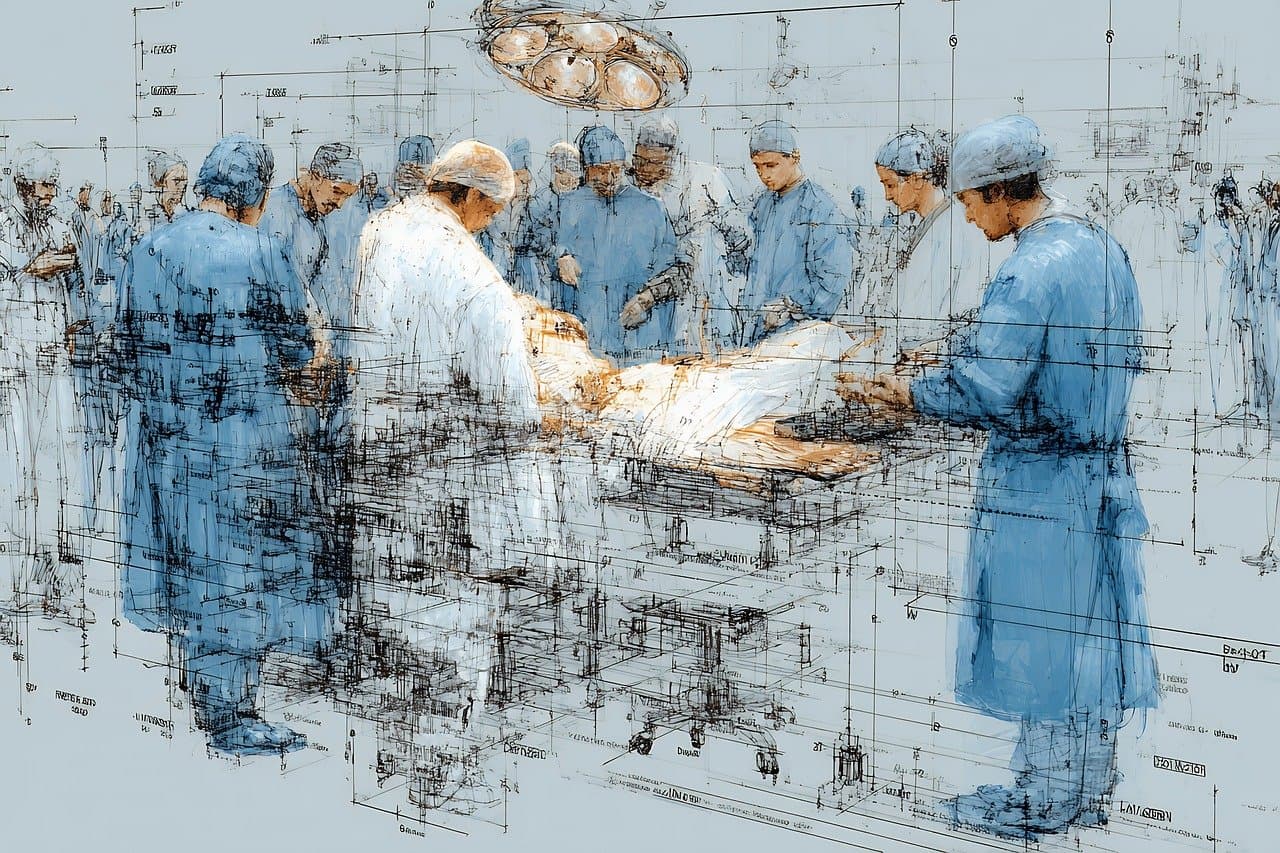
Resuscitative Thoracotomy

Resuscitative thoracotomy remains a procedure defined by extremes: extraordinary benefit in a narrow population, and near-certain futility in everyone else. The evidence supports its use in penetrating thoracic injury with witnessed arrest and recent signs of life, where it addresses a mechanically reversible cause of cardiac arrest.

Whole-Body CT in Major Trauma
ctimaging
March 23, 202611 min read75

Whole-Body CT in Major Trauma

Whole-body CT has become routine in many major trauma centres based on compelling observational data from the German TraumaRegister, yet the only randomised controlled trial - REACT-2, published in The Lancet in 2016 — found no mortality benefit over selective ATLS-guided imaging, with identical 16% in-hospital death rates in both groups. For ATLS candidates, understanding this unresolved debate between comprehensive and selective imaging is increasingly important for clinical practice and viva.

Surgical Stabilisation of Rib Fractures
rib fractureflail chest
March 20, 202610 min read70

Surgical Stabilisation of Rib Fractures

Surgical stabilisation of rib fractures (SSRF) is rapidly gaining traction in trauma centres worldwide, with strong RCT evidence supporting its use in flail chest and ventilator-dependent patients - yet the ATLS course barely mentions it. The controversy intensifies for the much larger population with severe non-flail fracture patterns, where recent randomised trials have produced directly conflicting results.

To Pack or to Embolise: The Pelvic Haemorrhage Dilemma
pelvic fractures
March 17, 20268 min read61

To Pack or to Embolise: The Pelvic Haemorrhage Dilemma

Pelvic haemorrhage in trauma remains one of the genuinely unsolved problems in acute surgery. The debate between packing and embolisation has moved from adversarial to collaborative, with the best-evidenced centres now deploying both strategies in a carefully sequenced protocol. What the evidence consistently supports is speed, systematic decision-making, and the avoidance of delay at every stage of the pathway.

Cervical Spine Immobilisation in Trauma: Has the Collar Had Its Day?
collarimmobilisation
March 16, 20269 min read53

Cervical Spine Immobilisation in Trauma: Has the Collar Had Its Day?

The hard cervical collar is a trauma staple, but growing evidence questions its routine use. Raised ICP, pressure injury, airway obstruction, and harm in penetrating trauma suggest a more selective approach — this post examines the evidence and what ATLS candidates need to know.

Tranexamic Acid in Trauma: Is the Three-Hour Window Built on Solid Ground?
txa
March 13, 20267 min read52

Tranexamic Acid in Trauma: Is the Three-Hour Window Built on Solid Ground?

The CRASH-2 trial established TXA as a cornerstone of trauma resuscitation, but recent evidence - including the PATCH-Trauma RCT (NEJM, 2023) and fibrinolysis shutdown research - challenges its blanket use, especially prehospital. This post explores what ATLS candidates need to understand beyond the three-hour rule.

Going Full Circle: The Whole Blood Revival and What It Means for Trauma Resuscitation
resuscitationblood products
March 9, 202610 min read65

Going Full Circle: The Whole Blood Revival and What It Means for Trauma Resuscitation

Is whole blood better than 1:1:1 component therapy in haemorrhagic shock? Contradictory data from existing data and pending trials make this one of trauma's most contested questions - and an interesting one to ponder for ATLS candidates.

Arrows pointing in multiple directions
tbipermissive hypotension
March 6, 20269 min read151

Two Rules, One Patient: The Blood Pressure Dilemma in Polytrauma

When a patient arrives with both a head injury and uncontrolled bleeding, two of trauma care's most important rules come into direct conflict. One demands a low blood pressure; the other demands a high one. This tension sits at the heart of modern ATLS practice - and the stakes could not be higher.

Child watching hot air balloons
innovationalgorithm
March 5, 202610 min read179

How many balloons are left to burst? The REBOA controversy and what it tells us about innovation in trauma care

REBOA is not dead, but its indications have narrowed dramatically. The days of enthusiastic deployment for any patient in hemorrhagic shock are over. What replaces it - faster surgery, whole blood, xABCDE protocols, prehospital blood products - represents a trauma resuscitation paradigm that is less about a single technological fix and more about getting the fundamentals right, faster. That, ultimately, is what ATLS has always been about.